A Practical Guide to Choosing Organic Mattresses for London Homes

Explore how to select an organic mattress that fits small London living spaces. This guide covers key certifications, common materials, and practical tips for testing comfort without compromising health or sustainability.

In the city that blends centuries of architecture with the rhythm of modern life, the night invites a quiet form of discernment: choosing a mattress that aligns with health, sustainability, and compact urban living. An organic mattress isn’t merely a label; it is a statement about materials, processes, and the promises we make to our bodies each night. For London households—where space is a premium and air quality, temperature, and humidity vary with the seasons—an organic option can offer both clarity and comfort. This guide traverses certifications, materials, testing approaches, and practical strategies to select a mattress that respects both health and footprint.

Certifications and Why They Matter

Organic mattresses derive their credibility from independent certifications that verify not only the absence of certain chemicals but also the presence of responsibly sourced materials. In the London market, the most impactful certifications to understand include GOTS (Global Organic Textile Standard) for textiles like cotton and wool, and GOLS (Global Organic Latex Standard) for latex materials. These labels help consumers navigate questions of fiber origin, processing methods, and overall environmental impact.

Beyond these, look for certifications and standards that address the entire supply chain—from farm to finished product. The aim is to identify mattresses that minimize potentially harmful additives, flame retardants, and chemical adhesives, while maximizing natural durability and comfort. While labels can sometimes blur with marketing language, credible programs insist on third-party verification, detailed material disclosures, and traceability.

London shoppers should also consider national and regional consumer protection guidelines that emphasize safe materials and clear labeling. In this context, a transparent materials list and explicit certifications become practical tools—especially for buyers who are sensitive to chemicals or who prefer a more sustainable lifecycle for their sleep products.

Material Spotlight: Natural Latex vs Organic Cotton and Wool

Organic latex sits at a crossroad of resilience and buoyant comfort. Derived from rubber tree sap, it provides a buoyant, contouring feel that many sleepers associate with supportive sleep. In organic variants, latex is produced with fewer synthetic additives, and when paired with certified natural latex formulations, the result is a durable, supportive surface that responds to body heat without becoming overly warm.

Organic cotton and wool are often used as fillings or covers to enhance breathability, moisture management, and temperature regulation. Organic cotton offers a cool, breathable surface that suits sleepers who prefer a crisper feel, while wool’s natural moisture-wicking and temperature-regulating properties can promote a more balanced climate throughout the night. Wool is also prized for its natural flame-retardant properties, which can reduce the need for chemical additives in some designs.

When evaluating a mattress, consider how these materials interplay with your sleep preferences. For instance, a latex core with an organic cotton and wool cover can deliver a cool, responsive surface, while a layered system with natural fibers may emphasize plushness and pressure relief—each choice carrying different implications for edge support, motion isolation, and longevity.

Small-Space Considerations: Profile, Edge Support, and Testing Without Overnight Lying

In London’s compact apartments, the mattress profile—the thickness and contour depth—becomes a practical constraint. If a mattress sits on a platform bed or a compact base, the total height matters for accessibility and under-bed storage. Layered organic options often come in profiles ranging from 6 to 12 inches, with some premium designs offering more height. For small flats, a thinner profile with robust edge support can maximize usable sleep surface and ease movement.

Edge support, the ability of the perimeter to sustain weight without sagging, is a key determinant of usable surface area. Organic designs frequently employ reinforced edges in zoned constructions to preserve support along the bed’s perimeter, which matters when entering and exiting a bed in limited space.

Testing organic mattresses in a showroom can be challenging, but you can simulate a London living scenario by considering how you sleep, your typical body temperature, and how long you plan to use the mattress before changing or rotating it. Factoring in a trial period is essential, giving you a risk-free window to assess comfort, support, and the absence of irritants. If showroom testing is constrained, ask for material swatches, or request a test-order option to evaluate the mattress within your own space.

Label Reading: How to Read Certifications and Care Instructions

A critical skill for smart shopping is reading the labeling with care. Certifications like GOTS or GOLS are more than marketing jargon; they indicate community-verified standards. When reading labels, look for details such as: the fiber content (e.g., organic cotton, natural latex), the origin of materials, care instructions that reflect the mattress’s durability, and the presence (or absence) of synthetic flame retardants. The clarity of labeling often correlates with the overall transparency of the manufacturer.

In London, you may also encounter certifications or public sustainability statements mandated by local consumer authorities or health agencies. While these local requirements may not be as comprehensive as international programs, they provide additional confidence about a brand’s commitment to safety and environmental stewardship.

London Lifestyle Compatibility: Small Flats, Climate, and Urban Sleep Rituals

London’s living patterns shape nightly routines. A mattress that fits a studio or a narrow bedroom must harmonize with urban warmth and humidity that can surge in autumn and late summer. Organic materials—especially wool—can help regulate moisture and provide a breathable comfort layer that remains comfortable across seasonal changes. The right combination of latex, cotton, and wool can deliver a sleep surface that remains comfortable as windows open and close to balance drafts and indoor heat.

Finally, consider the lifecycle of your mattress in a city where moving houses is common. Materials with durable construction and responsibly sourced fibers typically offer longer lifespans, reducing waste and replacement frequency. An organic mattress chosen with regard to durability and end-of-life recyclability aligns with a progressive, health-conscious London household.

Three Key Perspectives Across Time

The history of mattress materials reads like a chronicle of human needs, climates, and textile craft. Here are three key individuals from different eras whose ideas continue to influence modern organic sleep choices:

Ancient Origins: The Shepherd’s Wool Pledge

In ancient regions where wool production began, shepherds turned to animal fibers to craft basic sleep surfaces. The practical wisdom of using natural fibers—wool for warmth, breathability, and moisture management—laid groundwork for later organic approaches. Though not a named figure, this early craft embodies the idea that materials matter, and that sleep surfaces should work with the body's rhythms, not against them.

Industrial Reformist: The 19th-Century Textile Pioneers

In the 19th century, advances in textile manufacture and standardization paved the way for more consistent materials and better safety controls. The shift toward cleaner dyes and the refinement of cotton, wool, and early foam-like substitutes foreshadowed modern certifications. Though not a single named person, this era’s engineers and artisans established the reliability of textile-based sleep products that organic movements would later refine.

Contemporary Advocate: The Sleep Scientist and the Green Manufacturer

In recent decades, a new generation of scientists and manufacturers has prioritized sleep health, chemical integrity, and sustainable supply chains. Researchers quantify how materials influence sleep temperature and pressure distribution, while brand leaders commit to certifications like GOTS and GOLS and to responsible sourcing. This synthesis of science and stewardship guides today’s London buyers toward mattresses that honor both personal health and planetary well-being.

These three threads—ancient practicality, industrial standardization, and contemporary science—together illuminate why organic mattresses matter. They remind us that good sleep rests on a continuum of material choices, design principles, and ethical commitments that extend from the loom to the bed.

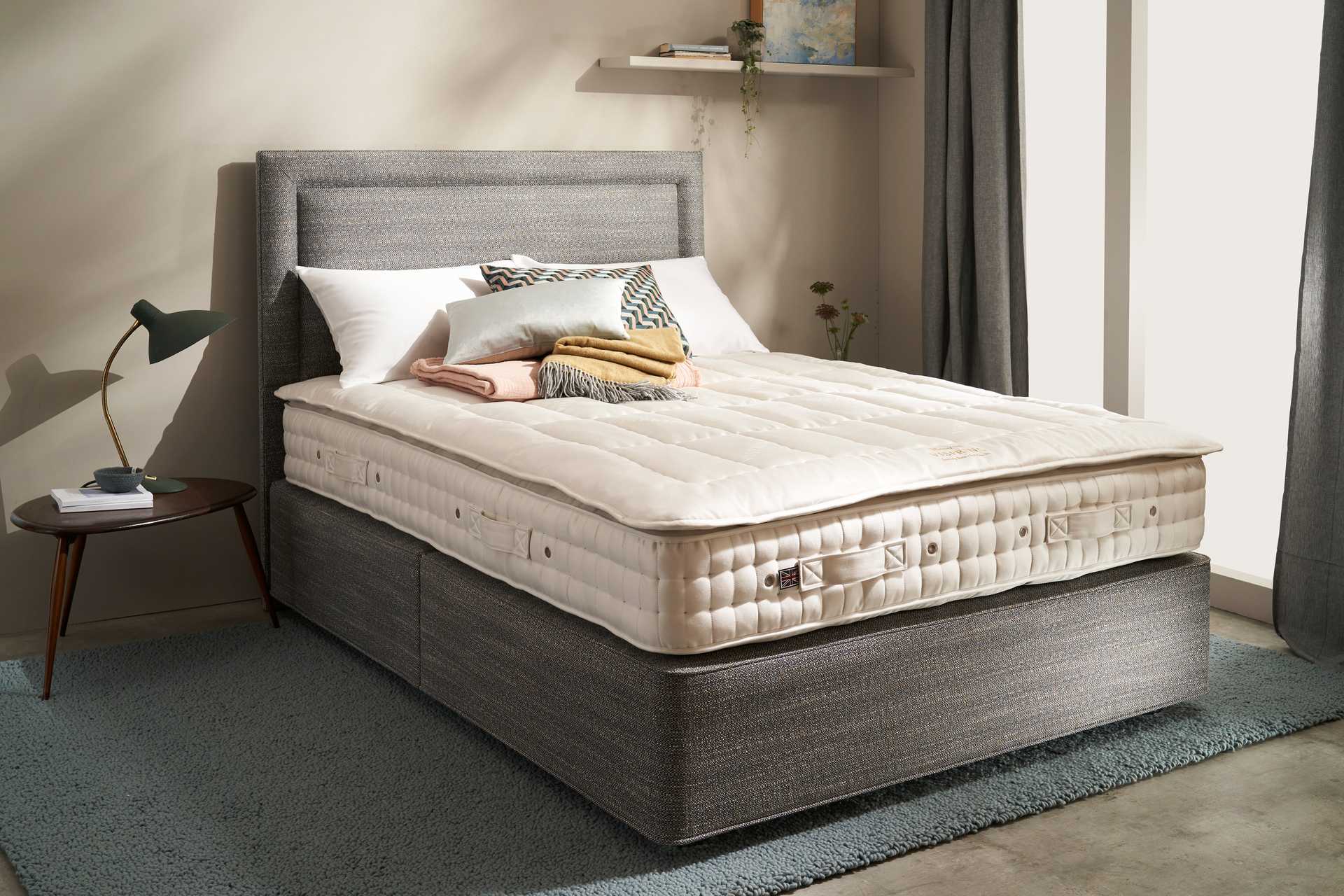
Product Spotlight: Vispring Heaven Mattress Topper

Among the contemporary accessories that can augment an organic sleep system, the Vispring Heaven Mattress Topper stands out for its artisan approach to comfort. This topper, filled with British fleece wool and soft-needled wool, embodies the warmth and breathability that organic fibers can deliver. It is designed to regulate temperature, relieve pressure points, and provide a final layer of plushness that does not compromise the underlying organic core.

The Heaven topper’s two-inch height offers a subtle elevation that can transform a mattress with modest profile into a sleep surface that feels more responsive and inviting. In the context of small London bedrooms, a topper can be an adaptable solution that extends the life of an existing mattress without the need for a full replacement.

Vispring Heaven Mattress Topper

Brand: Vispring | Origin: Britain

Lengthy, natural wool fibers maintain warmth in cooler months while allowing breathability that mitigates heat buildup. This topper is not a full mattress but a refined addition to an organic sleep system, offering a transitional layer that preserves health-focused materials at the core.

Note: Availability and pricing may vary by region. In this article, we reference a representative product to illustrate the kinds of complementary pieces that can accompany an organic London sleep strategy.

Conclusion: A Thoughtful Path to Organic Sleep for London Homes

The search for an organic mattress in London is a journey through certifications, materials, and the constraints of urban living. It is a journey that asks you to weigh the benefits of natural fibers, the clarity of labeling, and the practical realities of a compact home. By prioritizing organic materials, clear certifications, and a testing strategy that fits your schedule, you can align your sleep environment with health, sustainability, and the unique rhythms of life in London.

This guide has offered a roadmap for navigating the marketplace, from understanding the significance of GOTS and GOLS to reading labels with a discerning eye and testing comfort in ways that respect your daily routine. Whether you reside in a glass-clad Mayfair apartment or a cozy Redbridge flat, the right organic mattress can become more than a sleeping surface—it can be a conduit for restorative rest, mindful consumption, and a quieter, more sustainable way of living in one of the world’s most dynamic cities.

This article synthesizes guidance for organic mattress selection with a London-focused perspective, drawing on contemporary product examples such as the Vispring Heaven Mattress Topper to illustrate how organic materials can be integrated into a modern sleep environment.

Related Products

Vispring Heaven Mattress Topper

Vispring · No. COVSTMHN

Vispring Heaven Mattress Topper

Slip into cloud-soft support with Vispring Heaven. Plush British fleece and soft-needled wool balance temperature, ease pressure points, and cradle you to deeper, restorative sleep. Wake refreshed and ready to take on the day.
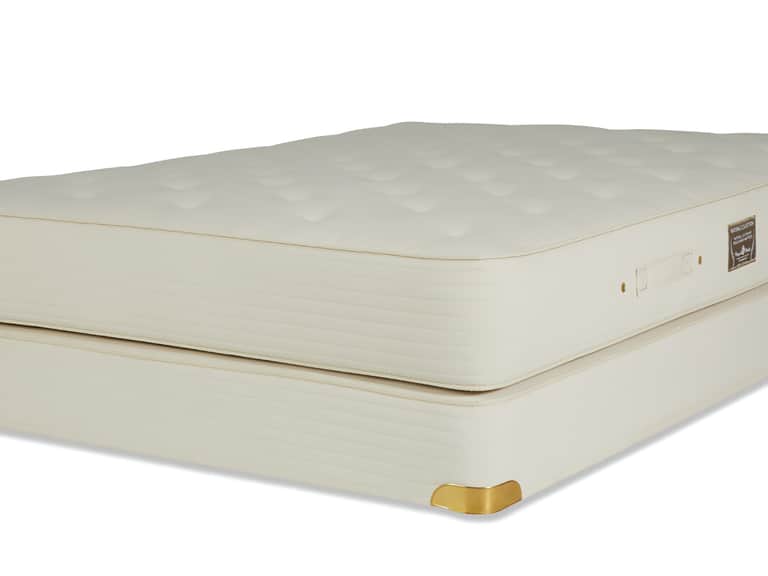
Royal-Pedic Natural Cotton Mattress with Wool Wrap

Royal-Pedic · No. RP-NCW

Royal-Pedic Natural Cotton Mattress with Wool Wrap

Experience unmatched comfort and orthopedic support with a chemical-free wool wrap, premium long-staple cotton, and traditional innerspring, ideal for sensitive skin and allergy-free peace of mind.
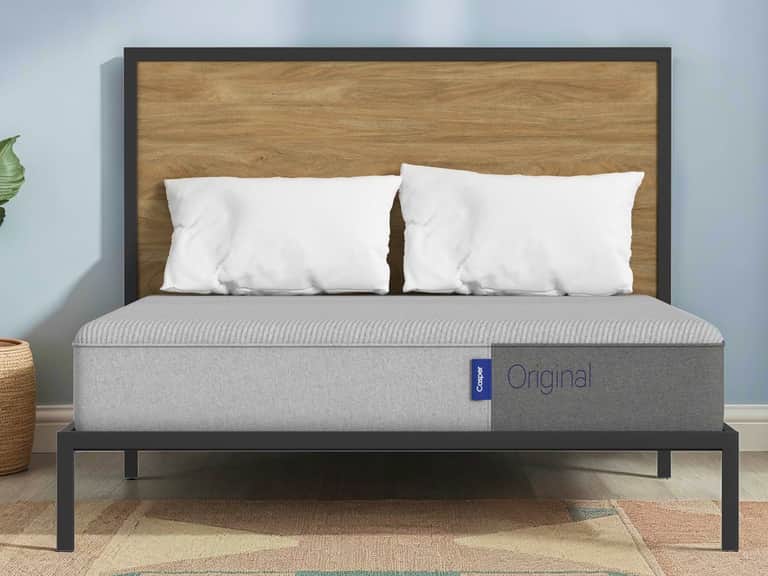
Original Mattress

Casper

Original Mattress

Sleep cooler with breathable Casper foam, plus body-conforming memory foam for pressure relief. Three-zone support keeps your spine aligned and balanced from top to bottom, responding to your movements for a stable, comfy night.

Theme